From United States
+1-8007618913
From Canada
+1-2897685366
From United Kingdom
+44-2035140670
From Japan
+81 3-4578-4029
From Argentina
+54-2657459025
From Chile
+56-226665927
From Colombia
+57-6017940262
From Mexico
+52-7449800692
From New Zealand
+64-99508740
From Peru
+51-17009061
From Switzerland
+41-445514539
From Thailand
+66-25088458
From Singapore
+65-31585008
From Australia
+61-1800-507-258
From Turkey
+90-850-390-7486
From Italy
+39-800729010
From Portugal
+351-304500663
From Brazil
+55-6140426960
From France
+33-970019487
From Israel
+972-23752163
From Germany
+49 6107 6353100
From China
+86-1089171020
From South Korea (Domestic calls only)
00308 491 0209
From Poland
+48 732 126 852
From other countries or regions
+1-8007618913
From Taiwan(China)
+886 2 2656 3571
Live chat Email us Service Code: 8575713212
logo_img

One-Way Car Rental: Prince George to Calgary

Plan a smooth drive from Northern BC to Alberta with practical one-way rental guidance, winter-ready routing considerations, and drop-off tips for Calgary.

Can I rent a car from Prince George to Calgary?

Yes, you can rent a car for a one-way trip from Prince George to Calgary. Many major companies offer this service, but there are specific requirements, especially for foreign renters.

Documents required for CA residents
Documents required for international visitors
  • Form of ID: A valid physical Canada national photo ID.
  • Driving licence: The main driver and any additional drivers must provide a full physical driving licence with no major endorsements.
  • Accepted cards: Physical credit cards in the full name of the main driver are accepted. Supported credit cards include Visa, Master, Discover, and AMEX. Debit cards from Visa and Master are also accepted.
  • Age requirements: Drivers must be aged between 21 and 80. Young drivers aged 21 to 24 will incur a fee of US$ 18.07 per day.
  • Driving licence: The main driver and any additional drivers must provide a full physical driving licence with no major endorsements. Accepted driving licence include:
    • Original driving licence + International Driving Permit (IDP): Please note that an International Driving Permit (IDP) is only a translation. You must present your original driving licence together with the original IDP at the counter — photocopies or scanned copies are not accepted.
    • Original South Korea Driving Licence (English version): An English translation must be provided on the back of the driver's license.
  • Form of ID: A valid passport.
  • Accepted cards: Physical credit cards in the full name of the main driver are accepted. Supported credit cards include Visa, Master, Discover, and AMEX. Debit cards from Visa and Master are also accepted.
  • Age requirements: Drivers must be aged between 21 and 80. Young drivers aged 21 to 24 will incur a fee of US$ 18.07 per day.
requirements.image

What should I pay attention to for a one-way rental?

Key Consideration:
  • One-Way Drop Fee And Rate Differences: One-way rentals often include a drop (intercity) fee that can vary widely by company, vehicle class, season, and inventory needs. Compare total price (base rate + drop fee + taxes + surcharges) rather than the daily rate alone, and check whether changing the pick-up time by a few hours changes the pricing tier.
  • Mileage Policy And Route Flexibility: Confirm whether your rate includes unlimited kilometers. If the rental has a distance cap, estimate the full trip (including detours for weather, fuel, meals, or overnight stops) and calculate overage charges per kilometer. Keep the contract and rate terms handy so you can verify what was included at booking.
  • Winter Driving Requirements And Tire Rules: From Prince George through the Interior and into Alberta, conditions can change quickly (snow, freezing rain, mountain passes). Confirm whether winter tires are included, optional, or not offered, and whether the vehicle has all-season tires only. Carry extra windshield washer fluid and plan for reduced speeds and longer braking distances.
  • Insurance, Deductibles, And Credit Card Coverage: Review Collision Damage Waiver (CDW/LDW), liability coverage, and deductibles carefully—coverage can differ between provinces and between rental brands. If relying on a credit card policy, verify it covers one-way rentals in Canada, the vehicle class you’re booking (e.g., SUVs), and any exclusions (gravel roads, towing, off-road use).
  • Driver Eligibility, Deposits, And Payment Rules: Most companies require a valid driver’s license, a credit card in the main driver’s name, and a security deposit that can be higher for one-way rentals. Check age requirements and young-driver fees (often under 25). Ensure your card has enough available credit for the hold, especially if you’re also paying for hotels on the same card.
  • Fuel Policy And Refueling Options: Choose a fuel policy that matches your schedule (typically full-to-full is best value). Keep the final-day plan realistic—returning near a major city like Calgary can mean busier stations and traffic. Save fuel receipts in case the return fuel level is disputed.
Smart Planning Tips:
  • Book Early And Recheck Prices: One-way inventory can be limited, especially for SUVs and during holidays. Book as soon as dates are firm, then recheck rates closer to departure—price drops sometimes appear when fleets rebalance. If your booking allows free cancellation, rebook the lower rate and cancel the old one.
  • Choose A Vehicle That Fits The Route And Season: For long-distance highway driving, prioritize comfort, headlights visibility, and stability. In winter, an SUV or AWD can help with traction (though winter tires matter more than drivetrain). Avoid oversizing if you want better fuel economy and easier parking at the destination.
  • Plan A Realistic Driving Schedule With Weather Buffers: Build in time for changing road conditions, short daylight hours in winter, and rest breaks. Consider an overnight stop if needed rather than pushing fatigue. Check forecasts and road reports before leaving Prince George and again during the trip.
  • Photograph The Car At Pickup And Drop-Off: Take timestamped photos of all sides, wheels, windshield, interior, and the fuel gauge/odometer. Do the same at drop-off (especially after-hours) and keep the final receipt. This helps resolve disputes about damage or fuel level.
  • Confirm Drop-Off Location Details Before You Drive: Calgary has multiple possible drop points (airport and city locations). Verify the exact address, operating hours, after-hours key drop procedure, and any airport access or parking instructions. A quick call on the morning of return can prevent last-minute surprises.
  • Keep Documents And Emergency Essentials Accessible: Carry your license, rental agreement, and insurance documents within reach. Pack a basic winter kit (warm layers, flashlight, phone charger, water) and ensure you know how to operate the vehicle’s lights, wipers, and defrosters before you leave the lot.
Insurance: A Critical Consideration

Rental car insurance is essential for peace of mind on your journey. Counter rates can be expensive, often adding $20-40 per day to your rental cost.

QEEQ Online Car Rental Insurance
  • Comprehensive coverage for your rental vehicle
  • Approximately 50% cheaper than counter rates
  • Easy online purchase before your trip
Learn More About QEEQ Insurance
Book Earlier for Better Rates

Car rental prices fluctuate based on demand and availability. Booking in advance typically secures better rates, especially during peak travel seasons.

QEEQ One-Dollar Freeze
  • Reserve your vehicle with just $1 upfront
  • Price Drop Protector automatically tracks price changes
  • Automatic rebooking when prices drop
Learn More About One-Dollar Freeze

Refueling, Parking and Tolls

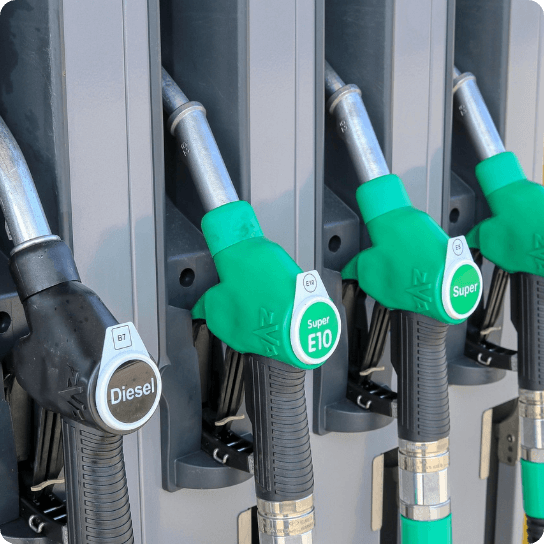
Refueling
Parking
Refuel Policy Basic

Return the car with the same fuel level shown on the rental agreement (typically full-to-full); refueling yourself is usually cheaper than paying the rental company’s refuel rate.

Keep the final fuel receipt (ideally within 10–20 km of the Calgary drop-off) in case the fuel gauge reading is disputed at return.

Use the correct fuel grade listed on the fuel door/owner label (regular vs. premium); misfueling (e.g., diesel in a gas vehicle) can lead to major damage charges.

Allow for gauge lag: after fueling, drive a few minutes so the gauge updates before returning the vehicle, especially in colder conditions.

Avoid topping off past the first automatic pump shutoff to reduce spill risk and potential vapor/paint damage near the filler area.

Fuel Cost

Estimated average gasoline price near Calgary: CAD $1.50–$1.70/L (varies by station and day).

Estimated driving distance Prince George → Calgary (typical route via AB-43/AB-2): ~720–780 km.

Estimated fuel use for a midsize car at ~7.5–8.5 L/100 km: ~55–66 L total.

Estimated total fuel cost for the trip: ~CAD $85–$110.

Fuel Efficiency Tips

Keep highway speed steady on AB-43/AB-2: using cruise control on flatter sections (when conditions allow) typically saves fuel versus frequent speed changes.

Check tire pressure before leaving Prince George (and again if temperatures swing): under-inflation increases rolling resistance and fuel use on long highway stretches.

Limit roof racks/cargo boxes and keep heavy items low and inside the cabin: crosswinds and high-speed highway driving between towns can magnify aerodynamic drag.

Use climate control efficiently: at highway speeds, A/C is often more efficient than driving with windows down; in cooler weather, use the fan/eco mode to reduce compressor load.
refueling-bg
Prince George Parking

Downtown Prince George typically offers a mix of on-street metered parking and public lots/garages; read signage closely for time limits that can change by block.

In winter months, watch for snow-clearing routes and temporary no-parking notices—violations may lead to towing even if a meter is paid.

If you’re picking up near the airport, allow extra time for terminal/lot circulation and confirm whether short-term parking is pay-on-exit or pay-and-display.

Pro tip: load luggage first, then park—some downtown areas have short loading zones that are easier than searching for a long-duration stall.

Calgary Parking

Downtown Calgary parking is widely available but can be expensive on weekdays; consider short-term options for drop-off tasks versus long-term stays.

Many areas use app-based or pay-station parking rather than individual meters; confirm your zone number and plate entry to avoid tickets.

If dropping off at Calgary International Airport (YYC), follow rental return signage early—airport roadways can be busy during peak periods and you may need extra time to find the correct facility entrance.

Pro tip: take photos of the parked car and the fuel gauge at return, plus the stall/location—useful if there’s any post-return question.

Recommended Parking Apps

ParkPlus (common for Calgary on-street and lots): pay by plate/zone and extend time remotely where allowed.

PayByPhone: available in many Canadian cities; useful for app-based meters where supported.

Google Maps: helpful for finding nearby public lots/garages and checking hours, ratings, and busy times.
parking-bg

Popular Self-Drive Routes

Main Driving Routes From Prince George To Calgary:
Fastest Route (Hwy 97 S + Hwy 16 E + Hwy 93/95 S + Trans-Canada Hwy 1 E)
Fastest / Most direct (mountain highways) ≈ 11–13 hours (season, traffic, and construction dependent)

A time-efficient cross-mountain drive that links Prince George to the Yellowhead Highway, then continues through the Columbia Valley and on to Calgary. Expect long stretches between services, frequent wildlife crossings, and winter driving considerations on mountain passes. Scenic highlights include broad river valleys, forested national-park-adjacent corridors, and classic Rocky Mountain vistas as you approach Banff/Canmore and Calgary.

Quesnel , Prince Rupert/Kitwanga junction area (via Hwy 16 corridor services such as Vanderhoof/Smithers depending on exact routing) , Valemount , Jasper (via Icefields Parkway access) , Banff or Canmore , Calgary
Scenic Rockies Route (Hwy 16 to Jasper + Icefields Parkway 93 to Lake Louise + Hwy 1 to Calgary)
Scenic / National parks (best for daylight driving) ≈ 12–15 hours driving (add 2–6+ hours for viewpoints and short hikes)

The classic ‘best views’ option: drive into Jasper National Park and continue south on the Icefields Parkway (Hwy 93) past glaciers, turquoise lakes, and iconic lookouts before rejoining the Trans-Canada Highway to Calgary. This route is ideal if you can travel in good weather and dedicate time for stops. Services are limited on the Parkway; fuel up before leaving Jasper and plan stops carefully.

McBride , Valemount , Jasper National Park , Athabasca Falls , Columbia Icefield / Athabasca Glacier , Peyto Lake (viewpoint) , Lake Louise , Banff , Calgary
Winter-Friendlier / Service-Rich Route (Hwy 97 S to Cache Creek + Hwy 5 to Kamloops + Hwy 1 to Calgary)
All-seasons / More towns & services (longer mileage) ≈ 13–16 hours (often longer distance but more frequent services)

A longer, more service-rich alternative that passes through larger interior BC hubs before continuing east on the Trans-Canada Highway. This can be a practical choice in shoulder seasons or winter when you prefer frequent fuel/food options and more populated corridors. Still watch for mountain weather and road closures; conditions can change quickly on the Coquihalla/Trans-Canada approaches depending on your exact segment choices.

Williams Lake , 100 Mile House , Cache Creek , Kamloops , Revelstoke , Golden , Banff , Calgary
Road Trip Planning Tips:

Confirm One-Way Fees And Drop-Off Rules: One-way rentals can include drop fees that vary by season, vehicle class, and supply at the destination. Confirm the exact drop-off location in Calgary (airport vs downtown) and whether after-hours returns are allowed to avoid extra day charges.

Plan Fuel Stops (Long Gaps In Mountain Sections): Do not rely on finding fuel on demand, especially on parkways and late at night. Top up in major towns (e.g., Prince George, Valemount, Jasper, Lake Louise/Banff) and keep a buffer of at least half a tank when crossing remote stretches.

Check Mountain Weather And Tire Requirements: Conditions can change rapidly on BC/Alberta mountain highways. In colder months, ensure the rental has appropriate winter-rated tires (ask specifically about winter tires vs all-seasons) and carry extra windshield washer fluid; plan for slower speeds and possible closures.

Understand Insurance, Deposits, And Credit Card Holds: Verify what your personal auto policy or credit card covers for rentals in Canada, and what it excludes (e.g., certain vehicle types, gravel road damage). Ask about the security deposit amount and how long the hold may remain after return.

Avoid Late-Night Wildlife Risk And Fatigue Driving: Wildlife collisions are a serious risk on this corridor, especially at dawn, dusk, and overnight. If possible, schedule the most remote segments in daylight, rotate drivers, and plan an overnight stop (Jasper, Valemount, Kamloops, or Revelstoke depending on route).

Document The Vehicle To Prevent Post-Trip Disputes: Before leaving Prince George, take time-stamped photos/video of all panels, wheels, windshield, and the fuel gauge/odometer. Repeat at drop-off in Calgary and keep receipts (fuel, tolls, parking) in case of billing questions.

How to Choose Car Rental Companies

For a one-way drive from Prince George (YXS) to Calgary (YYC), focus on companies that reliably support inter-province one-way drop-offs, have multiple locations (airport + city), and publish clear one-way policies. One-way pricing can change by season and vehicle class, so compare total cost (base rate + one-way fee + taxes + winter equipment) and confirm the exact drop-off location at Calgary International Airport before booking.

CompanyOne-Way FeeFleet VarietyLocation CoverageKey Advantage
Enterprise Rent-A-Car$$HighHigh Strong Canadian network with both airport and city locations, improving one-way availability , Often flexible with one-way inventory (varies by dates/vehicle class) , Good choice for longer one-way drives where roadside assistance and location coverage matter
National Car Rental$$HighHigh Typically newer fleet and efficient airport pick-up/drop-off experience , Well-suited for travelers who want faster counter processes and consistent vehicle categories , Good coverage at major airports including Prince George (YXS) and Calgary (YYC)
Alamo Rent A Car$$Medium-HighHigh Often competitive pricing for leisure one-way rentals compared with premium brands , Clearer bundled pricing in many bookings (compare inclusions carefully) , Common presence at Canadian airports, supporting airport-to-airport one-way trips
Avis$$-$$$HighHigh Large airport footprint and frequent one-way support on major routes , Good vehicle selection including SUVs that can be preferable for mountain/highway conditions , Useful add-ons for business travelers (e.g., faster account-based service in some cases)
Budget$$-$$$MediumHigh Often competitive base rates; can be cost-effective if one-way fee is reasonable on your dates , Wide airport coverage and frequent promo availability , Good option if you are flexible on exact vehicle model
Hertz$$-$$$HighHigh Strong presence at major airports and generally broad vehicle category availability , Good for travelers seeking higher trim options (subject to location inventory) , Typically offers multiple protection and fuel plan choices (compare total cost)
QEEQ

QEEQ compares rates from over 1,000 suppliers across 110,000+ locations worldwide to help you find the best deal.

companies-img1
Global Coverage

200+ countries and regions

companies-img2
Best Rates

Compare across providers

companies-img3
24/7 Customer Services

Through phone, online chat & Whatsapp

companies-img4
Exclusive Features

One-Dollar Freeze & Price Drop Protector

Explore QEEQ Car Rentals
Selection Criteria for One-Way Rentals:
Pricing Considerations
  • Base rental rate per day
  • One-way drop-off fees
  • Additional driver charges
  • Insurance costs
  • Fuel policy and potential charges
Vehicle Selection
  • Vehicle size for passengers and luggage
  • Fuel efficiency for long drives
  • Comfort features for highway driving
  • Navigation and entertainment systems
  • Vehicle condition and mileage
Company Reliability
  • Customer service reputation
  • Transparency in fees and policies
  • Roadside assistance coverage
  • Cancellation and modification policies
  • Reviews from other one-way renters

Calgary International Airport (YYC) Rental Car Center Info For Drop-Off

Where To Drop Off Rental Cars (YYC):

Follow roadway signs for “Car Rentals / Rental Car Return” as you approach Calgary International Airport. Returns are typically directed to the airport’s dedicated rental car return area/parkade. Stay in the correct lane for your rental brand, park in the signed return stalls, and proceed to the check-in kiosk/booth if required.

After-Hours Return:

Most major brands at YYC support after-hours returns. Park in the designated return area, secure the vehicle, take photos (fuel gauge, mileage, and exterior condition), and place keys in the company’s key drop. Always confirm after-hours eligibility and instructions in your rental agreement for your specific brand.

Check-In Steps At Drop-Off:

Remove belongings, confirm fuel level matches your selected fuel policy (e.g., full-to-full), and wait for an agent or use the self-service return process if available. Keep the return receipt/time stamp for your records, especially on one-way rentals.

Nearby Fuel Options Before Returning At YYC:

There are multiple fuel stations in the airport area and along Airport Trail NE / Deerfoot Trail NE corridors. Plan to refuel within the last 5–10 km to match the contract fuel policy, and keep the receipt in case of any fuel disputes.

Timing And Traffic Planning:

For arrivals into YYC, allow extra time during weekday peaks and winter weather. As a buffer, aim to arrive at the rental return area 30–45 minutes before you need to be inside the terminal (more if returning during storms or busy holiday periods).

Condition Documentation:

Before handing over keys, take clear photos/video of all sides of the vehicle, the interior, the dashboard (fuel and mileage), and any existing marks. One-way rentals can involve tighter turnaround schedules, so documentation helps resolve disputes.

Getting From Rental Return To The Terminal:

Once you return the vehicle, follow on-site signs for pedestrian routes to the terminal or any indicated shuttle/connector options, depending on where the return facility is located within the airport’s rental car infrastructure.

Pro Tips for Prince George Airport(YXS) Car Rentals

For a Prince George → Calgary one-way rental, double-check: (1) the exact YYC drop-off location and after-hours rules, (2) inter-province travel permissions, and (3) winter tire/chain policies if traveling in colder months. Build in time for refueling and taking return photos so your one-way drop-off stays hassle-free.

Frequently Asked Questions

Can I rent a car in Prince George and drop it off in Calgary?

Yes—most major rental companies in Canada allow one-way rentals from Prince George (YXS area) to Calgary (YYC area or city locations), but availability varies by date, vehicle class, and season. When you book, select a Prince George pickup location and a Calgary drop-off location (downtown or Calgary International Airport). If the website won’t confirm instantly, try a different vehicle class, adjust pickup times, or call the branch to confirm inventory and drop-off acceptance.

How far is the drive from Prince George to Calgary, and how long does it take?

The driving distance is typically around 720–820 km depending on the route chosen, with an average drive time of about 8–10+ hours in good conditions. The most common routing is south through interior British Columbia toward Highway 5/16 connections and then east into Alberta toward Calgary. Weather, construction, and mountain driving can add time, so plan extra buffer and check road conditions before departure.

Do one-way rentals from Prince George to Calgary cost more?

Often, yes. One-way rentals commonly include a drop-off fee (also called an intercity fee) because the company needs to reposition the vehicle. The fee can range from being waived during promotions to being significant during peak travel periods or for certain vehicle classes. The most reliable way to compare is to price the exact itinerary (pickup time, drop-off time, vehicle type, and locations) and review the rate breakdown before confirming.

Can I drop the car at Calgary International Airport (YYC), and what should I know about airport returns?

Yes, Calgary International Airport is a common drop-off point for one-way rentals. Airport returns are convenient if you’re catching a flight or connecting to airport transportation. Plan for extra time on return because you may need to refuel, remove personal items, and locate the correct rental return roadway and company lane. Keep your fuel receipt if you refueled nearby, and take quick photos of the vehicle condition at drop-off for your records.

Where should I refuel near Calgary International Airport before returning the car?

For a full-to-full fuel policy, it’s usually best to refuel within a few kilometres of Calgary International Airport to minimize the risk of being charged a refueling premium. Look for stations along major approaches to the airport (for example, near Airport Trail NE, Barlow Trail NE, and nearby commercial areas). Prices can be higher right next to the airport, so consider fueling slightly farther out if time allows. Always confirm your rental company’s fuel policy (full-to-full vs. prepaid) and keep the final fuel receipt in case of any billing questions.

What documents and payment methods do I need for a one-way rental in British Columbia and drop-off in Alberta?

You typically need a valid driver’s licence, a credit card in the main driver’s name, and proof of identity. Some companies accept debit cards with additional requirements, but one-way rentals may have stricter payment rules. If you’re not a Canadian resident, you may also need a passport and, in some cases, an International Driving Permit if your licence is not in English or French. Age requirements and young-driver fees vary by company.

Do I need winter tires or chains for the Prince George to Calgary drive?

From fall through spring, winter driving conditions are common in northern and interior BC and in the mountain corridors. British Columbia has seasonal winter tire requirements on many highways, and conditions can change quickly. Rental fleets may offer M+S or winter-rated tires depending on location and season, but not all provide true winter tires by default. Chains are generally not provided for passenger rentals. Before you leave, confirm the tire type, check current highway conditions, and pack essentials (warm layers, phone charger, windshield washer fluid, and an emergency kit).

What are common add-ons to consider for this route (and which ones might be unnecessary)?

Commonly helpful add-ons include: - Additional driver: useful if you plan to split the 8–10+ hour drive - Unlimited kilometres: many Canadian rentals include it, but verify for one-way rates - GPS or phone mount: often unnecessary if you have reliable mobile data and a charger - Roadside assistance: consider if traveling in winter or remote stretches Check what your credit card or personal auto insurance already covers (damage waiver, theft, roadside) before buying duplicate coverage at the counter.

Ready to Book Your Prince George to Calgary Adventure?

Find the best rates and exclusive features with QEEQ